
Japandi design has taken over Filipino home inspiration feeds in the last two years, and it is not hard to understand why. In a country where daily life moves fast, where homes are shared across generations, and where the heat and humidity demand spaces that breathe, a design style built around calm, natural materials, and intentional simplicity feels less like a trend and more like a relief.
But does it actually work in a Philippine home? Not a Pinterest board home but your home.
The answer, when you know how to approach it, is a resounding yes. This guide walks you through everything you need to know, from the philosophy behind Japandi design to how to make it work beautifully in a Filipino context, with or without a full renovation.
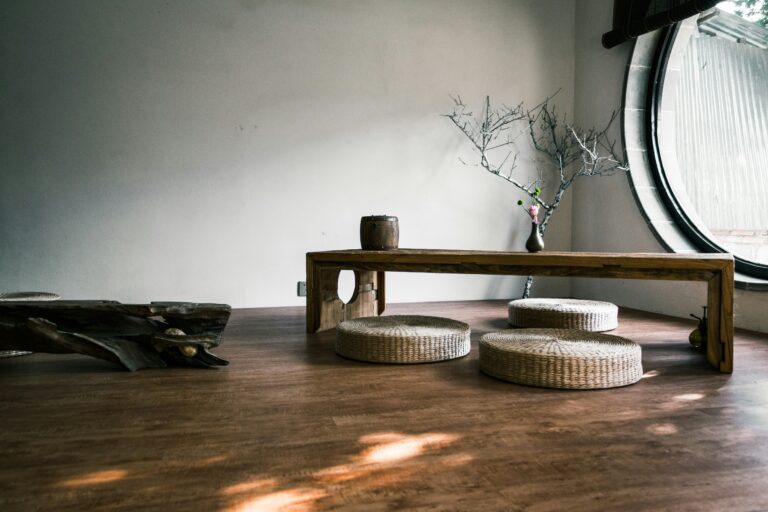
Japandi is a design philosophy that fuses Japanese minimalism with Scandinavian functionality. The word itself is a portmanteau of Japan and Scandinavia, and the union makes more sense than it might initially seem.
From Japan, Japandi borrows wabi-sabi, the philosophy of finding beauty in imperfection, impermanence, and the natural aging of materials. From Scandinavia, it takes hygge, the Danish concept of warmth, coziness, and the contented feeling of being at ease in your own home. The result is a space that is minimal but not sterile, calm but not impersonal.
Every item in a Japandi home has a purpose: it brings joy, serves a function, or plays a quiet decorative role. Nothing earns its place by accident.
Where minimalism embraces a stark, sleek aesthetic of whites and greys with smooth, manufactured surfaces, Japandi layers in tactile weaves, natural grains, and handmade imperfections for visual warmth and interest.
Minimalism firmly separates interior and exterior architecture. Japandi, by contrast, strives to blend the two through transitional rooms, walls of windows, and a material palette rooted in the landscape outside your home.
That distinction matters for Filipino homeowners especially. Japandi is not about making your home look empty. It is about making it feel deeply restful. And in a Filipino household where family life is active and communal, that difference is everything
This is worth saying directly: Japandi did not arrive in the Philippines as a foreign concept that Filipinos are now trying to adapt. In many ways, our homes were already speaking the language.
Interior design for Filipino homes has always emphasized comfort, functionality, and a strong connection to nature. Filipino homes have long favored open layouts that promote natural ventilation, large windows and sliding glass doors connecting indoor and outdoor spaces, and natural finishes like bamboo, wood, and stone. These are not Japandi adaptations. They are Filipino instincts that Japandi formalizes and celebrates.
And the local material vocabulary fits Japandi perfectly. Rattan, capiz, abaca, Philippine hardwood, handwoven bamboo screens, solihiya panels. In 2026, the demand for natural materials including wood, rattan, bamboo, abaca, stone, and terracotta continues to grow in Filipino homes, reflecting both a love of craftsmanship and a commitment to sustainability. These are Japandi materials in their most honest, locally grounded form.
Absolutely, and this is where it shines most. Most Metro Manila condos range from 25 to 80 square meters. In that context, Japandi’s insistence on purpose-driven furniture, built-in concealed storage, and uncluttered surfaces is not just aesthetic. It is a spatial strategy that makes your home genuinely more livable.
Japandi is considered the trending style for urban Philippine condos and is especially excellent for small spaces. Its emphasis on clean lines, light colors, and functional furniture naturally makes compact spaces feel larger and more composed.
Wabi-sabi asks you to stop hiding the natural character of materials and start appreciating it. Textured surfaces, aged finishes, handmade objects, and natural materials help transform a room from a cold showroom into an inviting, lived-in home.
For Filipino homeowners, this is liberating. That rattan chair worn smooth from years of use is not outdated. The slight variation in your handmade ceramic bowl is not a flaw. The capiz window pane that glows differently in morning light versus afternoon is not inconsistent. These are wabi-sabi details in Filipino form, and they are exactly what a Japandi home calls for.
Hygge keeps Japandi from becoming cold. Japandi spaces should maximize natural light through soft-glow pendant lamps with natural materials like rattan or woven fibers, and large windows with minimal window treatments that reinforce the connection to the outdoors.
Filipino domestic life is warm and communal by nature. The family sala is a gathering place, not just a sitting room. Hygge simply gives that Filipino impulse toward warmth and hospitality a cleaner, more considered visual frame. A rattan pendant casting warm light over a narra dining table is hygge and Filipino all at once.
In Japandi, materials are not decorative finishes applied over a design. They are the design. Wood is essential, along with bamboo, rattan, linen, and woven fibers. Simple, clean lines dominate, but darker pieces can be introduced to add contrast and depth.
This is where Filipino homes have a genuine advantage over Western interpretations of Japandi. You do not need to source anything from overseas. Abaca textiles, solihiya woven rattan, hand-thrown stoneware from local potters, narra or acacia furniture with visible grain, bamboo ceiling treatments. The full Japandi material palette exists here, made by Filipino artisans, suited to the tropical climate, and often more affordable than imported alternatives.
Japandi design prioritizes functionality. Every piece serves a purpose, and negative space gives the eye and mind room to breathe.
In a Filipino home where multi-tasking spaces are a daily reality, this means built-in storage that hides what does not need to be seen. A sala that converts easily for overnight guests. A dining table that expands for family gatherings and tucks away for weekdays. Custom murphy beds with integrated desks, kitchen islands on wheels that double as prep stations and room dividers. These are the multi-functional solutions that make Japandi genuinely practical in Metro Manila condos and houses alike.
Start with a neutral foundation. In Filipino homes, soft beiges and warm off-whites are the best option for walls, keeping spaces feeling bright and airy even under strong tropical sunlight. From there, let natural texture carry the room.
A low-profile sofa in warm linen or cotton. A solid narra or acacia coffee table with visible grain. A rattan pendant light overhead that diffuses warmth rather than glare. One potted plant with good structure. One shelf with a few considered objects: a handmade ceramic piece, a small woven basket, a single stem in a clay vase. Nothing competes for attention. Everything contributes.
Resist the urge to fill every surface. The breathing room between objects is part of the design.
The Japandi bedroom is designed for rest above everything else. Platform bed frames in natural wood, kept low to the ground in the Japanese tradition. Bedding in warm white, clay, or soft sage linen, layered simply without excess decorative pillows. Built-in storage that keeps the room uncluttered.
For lighting, mix hygge’s love of warm ambient glow with wabi-sabi’s appreciation for natural light. Soft pendant lamps in rattan and warm-toned bedside lamps create a calm atmosphere that shifts beautifully throughout the day.
Keep the color palette grounded. Warm whites, muted terracotta, soft greens. Colors that belong to the Philippine landscape and feel just as right in a Quezon City bedroom as they would in a provincial retreat.
For kitchens and hard surfaces, bolder expressive stones like travertine are emerging as statement investments in Filipino homes. A single travertine or concrete kitchen island does exactly what Japandi requires: one purposeful material moment that carries the entire room.
Cabinetry in natural wood tones with handleless fronts keeps surfaces visually quiet. Open shelving for a curated set of everyday ceramics adds warmth without clutter. A pendant light over the dining table pulls the family together. In a Japandi home, every object should feel like it earned its place.
You do not need an unlimited budget to move toward Japandi. It is one of the most achievable design philosophies for Filipino homeowners precisely because its emphasis on quality over quantity means you buy less, but better.
For a basic refresh including paint, small furniture, and decor, budget PHP 50,000 to PHP 150,000. For a full renovation with custom cabinets and major changes, expect PHP 300,000 to PHP 800,000 or more depending on your space size and finish choices.
For house renovations, the general range runs PHP 15,000 to PHP 50,000 per square meter depending on scope and finish level. Condo renovations tend to run slightly higher per square meter due to building access logistics and permit requirements.
The Japandi approach to budgeting mirrors the design philosophy itself. Invest in the bones: quality natural wood furniture, good lighting, built-in storage with clean finishes. A single piece of genuine craftsmanship, a hand-thrown ceramic lamp, a solid narra bench, does more for a Japandi room than ten trend-chasing accessories combined.
Compare this style against nine others in Interior Design Styles in the Philippines. Or
No. Japandi is not about stripping your home of meaning. It is about editing with intention. Keep the objects that carry genuine significance. A hand-carved figure from your lola, a set of antique plates displayed simply on a shelf, a weaving from your home province framed on the wall. Wabi-sabi celebrates objects with history and imperfection. The key is selection, not elimination.
Almost every traditional Filipino material fits the Japandi palette beautifully. Rattan for furniture and lighting. Abaca for textiles and accent pieces. Capiz for window panels and light diffusers. Philippine hardwoods like narra, acacia, and molave for furniture and flooring with genuine grain character. Handwoven bamboo for screens and ceiling treatments. Solihiya panels for cabinet doors and room dividers. Local natural stone and terracotta tiles for flooring. You rarely need to look beyond what is already here.
Japandi looks effortless. Achieving that effortlessness takes a practiced eye.
The proportions of furniture relative to the space, the relationship between natural light and surface texture, the editing decisions that determine what stays and what goes, these require someone who understands both the design philosophy and the realities of building and renovating in the Philippines.
Tahananmo’s architect and interior designer directory connects you with residential design professionals across the Philippines who specialize in creating spaces that are calm, considered, and genuinely suited to Filipino life. Browse by style and region, explore portfolios, and find the right collaborator before the first wall comes down.

The Philippines' curated directory connecting homeowners, architects, interior designers, and property professionals who believe in the beauty of thoughtful living.
BLOG AND INSIGHTS
