

Filipino minimalism in 2025 has evolved into a warmer, more welcoming aesthetic that combines clean structure with biophilic elements, warm neutrals, and natural materials like wood, rattan, and handwoven textiles. This is not the cold, stark white minimalism of early 2010s design blogs. It is a warmer, more grounded discipline.
Every piece of furniture earns its place. Every surface tells the truth about what it is made of. Built-in storage hides what does not need to be seen. The room breathes because it has been given room to breathe.
For Filipino homeowners in Metro Manila and other dense urban areas, where lots are shrinking and daily life generates enormous visual noise, minimalism is both an aesthetic choice and a quality-of-life investment. Less to look at means more room to think.
Filipino minimalism in 2025 has evolved into a warmer, more welcoming aesthetic that combines clean structure with biophilic elements, warm neutrals, and natural materials like wood, rattan, and handwoven textiles. This is not the cold, stark white minimalism of early 2010s design blogs. It is a warmer, more grounded discipline.
Every piece of furniture earns its place. Every surface tells the truth about what it is made of. Built-in storage hides what does not need to be seen. The room breathes because it has been given room to breathe.
For Filipino homeowners in Metro Manila and other dense urban areas, where lots are shrinking and daily life generates enormous visual noise, minimalism is both an aesthetic choice and a quality-of-life investment. Less to look at means more room to think.
Read the full guide: Minimalist Interior Design in the Philippines

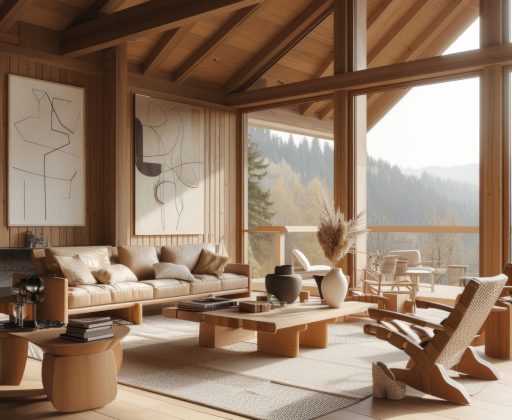
Japandi is a harmonious blend of Japanese minimalism and Scandinavian functionality, a design philosophy that celebrates simplicity, natural beauty, and deeply considered craft. From Japan it borrows wabi-sabi, the beauty of imperfect, aging materials. From Scandinavia it takes hygge, the warmth and contentment of a space that genuinely holds you.
The result is an interior that is minimal but not sterile, calm but not impersonal. Every object earns its place. Every surface has texture. Every room feels like a quiet exhale.
In the Philippines, Japandi adapts beautifully. Rattan, capiz, abaca, Philippine hardwood, and handwoven solihiya panels are Japandi materials in their most honest, locally grounded form. The Filipino instinct for open, ventilated layouts maps directly onto Japandi’s preference for airy, connected spaces.
Best for: Homeowners who feel overwhelmed by clutter, who want their home to be the most restful place in their day, and who appreciate beauty in natural imperfection.
Read the full guide: Japandi Interior Design in the Philippines

Where Japandi leans toward the Japanese side of restraint and wabi-sabi, Scandinavian design is warmer and more expressive. Layered textiles. Soft rugs. Candles and warm-toned lighting. The feeling of a home that wraps around you on a cool evening.
In the Philippines, Scandinavian design needs thoughtful adaptation. The all-white-and-pale-ash palette can feel washed out under intense tropical sunlight. The best Filipino interpretations warm the palette with local materials: acacia wood instead of birch, abaca textile accents instead of wool throws, rattan instead of wicker, and warm amber lighting that compensates for what the color palette softens.
Read the full guide: Scandinavian Interior Design in the Philippines
Best for: Urban homeowners, condo dwellers, and anyone who wants their home to feel spacious, calm, and genuinely easy to maintain.
Read the full guide: Minimalist Interior Design in the Philippines

Bohemian style is one of the most misunderstood aesthetics in interior design because it looks like chaos from the
Bohemian design is the antithesis of minimalism. It layers. It collects. It mixes eras, textures, patterns, and cultures without apology. A macrame wall hanging above a rattan daybed. Moroccan-patterned cushions on a carved Philippine hardwood bench. Terracotta plant pots on a vintage aparador. A gallery wall that mixes family photos with folk art and abstract prints.
For Filipino homeowners who have a natural collecting instinct, who are drawn to handmade objects and inherited pieces, and who feel suffocated by the restraint of minimalism, bohemian design is deeply liberating. The key is curation rather than accumulation: a loose color story that ties the eclecticism together, and a discipline about what actually earns wall or shelf space.
Stacked rugs, mixed textiles, layers of pattern, eclectic objects on every surface. But there is a logic underneath it, and that logic is accumulation over time — not decoration in one go.
Best for: Creative, expressive homeowners who love travel, art, and handmade objects, and who want their home to tell a story about who they are and where they have been.
Read the full guide: Bohemian Interior Design in the Philippines

Mid-century modern emerged from a very specific cultural moment — post-war optimism, new materials, and the belief that good design should be available to everyone. The furniture of the 1950s and 60s was not just stylish; it was a political statement about democratizing beauty. Understanding that origin explains why the aesthetic still resonates: it is confident, forward-looking, and fundamentally cheerful.
Read the full guide: Mid-CenturyInterior Design in the Philippines

Wabi-sabi is not a design style in the way that minimalism or maximalism are design styles. It is a philosophy about the nature of things; that beauty is inseparable from impermanence and imperfection. In practice, it produces spaces that feel deeply settled because nothing in them is pretending to be new or perfect.
Read the full guide: Wabi-Sabi Design in the Philippines

The common version of coastal design:
It misses the point. Real coastal design is about what a life near the water actually feels like: the openness, the quality of reflected light, the constant movement of air. Good coastal interiors replicate that feeling, not its symbols.

Industrial design emerged not as an aesthetic choice but as an economic one. When artists and young professionals began occupying abandoned warehouses and factories in New York and Chicago in the 1970s, they could not afford to finish the spaces. Exposed brick, concrete floors, raw steel pipes, and unfinished ceilings were what they had. The aesthetic came from working with the bones of a building instead of hiding them.
Read the full guide: Industrial Interior Design in the Philippines

Maximalism is not the absence of restraint. It is restraint applied differently — not to how much is present, but to how all of it holds together. The difference between maximalism and clutter is the same as the difference between an orchestral composition and noise: in one, everything is placed in deliberate relationship to everything else.
Read the full guide: Industrial Maximalist Design in the Philippines
Japandi are defined by muted earthy palettes (warm grays, clay, charcoal, and sage), natural materials like wood, rattan, linen, and bamboo, low-profile furniture close to the ground, minimal ornamentation, and handcrafted objects that carry visible maker’s marks. The result is a serene, timeless aesthetic — calm without feeling cold, minimal without feeling empty.
Yes, and most beautiful Filipino homes do exactly that. The key is intentionality: a unifying color story, a consistent material thread, or a clear spatial logic that ties diverse elements together.
Japandi and biophilic design layer naturally. Minimalist and modern Filipino design complement each other. Bohemian and maximalist Filipino are close cousins. Industrial and tropical modern create a compelling tension that many Filipino designers are exploring right now.
What does not work is mixing without awareness. An eclectic home is a home where every element was chosen deliberately. A confused home is one where different styles collided accidentally.
Minimalist design is among the most budget-friendly styles because it requires fewer pieces, better chosen. The discipline of buying less, but better, reduces the total spend while producing a more considered result.
Modern Filipino and Filipino maximalist design are also cost-effective when sourced locally. Furniture from Guadalupe, Cebu, textiles from indigenous weavers, pottery from Liliw, and heirloom pieces repurposed rather than replaced produce interiors that are rich in cultural value and often surprisingly affordable compared to imported alternatives.

The Philippines' curated directory connecting homeowners, architects, interior designers, and property professionals who believe in the beauty of thoughtful living.
BLOG AND INSIGHTS
