
Written by Justin Nonato
You want to invest in Philippine real estate. But you do not have PHP 2 million for a condo or PHP 1 million for a lot. You are 22 years old, or 35 and still renting, or an OFW saving for something bigger.
A Real Estate Investment Trust lets you own a piece of income-generating Philippine property, malls, office buildings, renewable energy land, warehouses, without buying the property yourself. You buy shares on the Philippine Stock Exchange, you receive dividends every quarter, and you can sell those shares any time the market is open. It is real estate investing made accessible to anyone with a brokerage account and a few thousand pesos.
This guide explains what REITs are, how they work in the Philippines, which ones are worth knowing about, and exactly how to start. This post is part of the Real Estate Investment Philippines complete guide.
Disclaimer: This is not a financial advice nor advertisement.
In plain terms: the REIT collects rent from tenants in its properties, keeps a small portion for operations and growth, and distributes the majority to you as dividends. You do not manage tenants. You do not fix leaking roofs. You do not deal with property taxes. You simply receive your share of the rental income every quarter.
Many investors considers AREIT the benchmark for Philippines REITs because of its strong sponsor, consistent dividend payments, and steady long-term growth.
MREIT is sponsored by Megaworld Corporation and owns a growing portfolio of Grade A office buildings, primarily located in major business districts such as Eastwood City, McKinley Hill, and Iloilo Business Park.
Compared with some other Philippine REITs, MREIT has historically offered a relatively higher dividend yield while maintaining a healthy occupancy rate. The company also has room to expand through future property infusions from Megaworld, which may support both rental income and dividend growth over time.
MREIT may be a good choice for investors seeking a balance between attractive dividend income and long-term capital appreciation.
A practical example: if you invest PHP 50,000 in AREIT at a 6 percent annual dividend yield, you receive approximately PHP 3,000 per year, or PHP 750 per quarter, credited automatically to your brokerage account. If you reinvest those dividends by buying more shares, the compounding effect accelerates your portfolio growth over time.
To buy Philippine REITs, you first need to open an account with a Philippine Stock Exchange (PSE) broker. Popular options for beginners include COL Financial, FirstMetroSec, and DragonFi. Opening an account is usually completed online in about 15 to 30 minutes. You will typically need a valid government-issued ID, your TIN, and any additional documents required by your chosen broker.
Personally, I use DragonFi and GoTrade because I find both platforms beginner friendly and easy to navigate. When I opened my COL Financial account, it required a ₱25,000 initial deposit. In comparison, I found DragonFi much more accessible because I was able to start investing with a much smaller amount. If you’re a beginner or want to start investing gradually, a broker with a lower investment requirement may be a better choice.
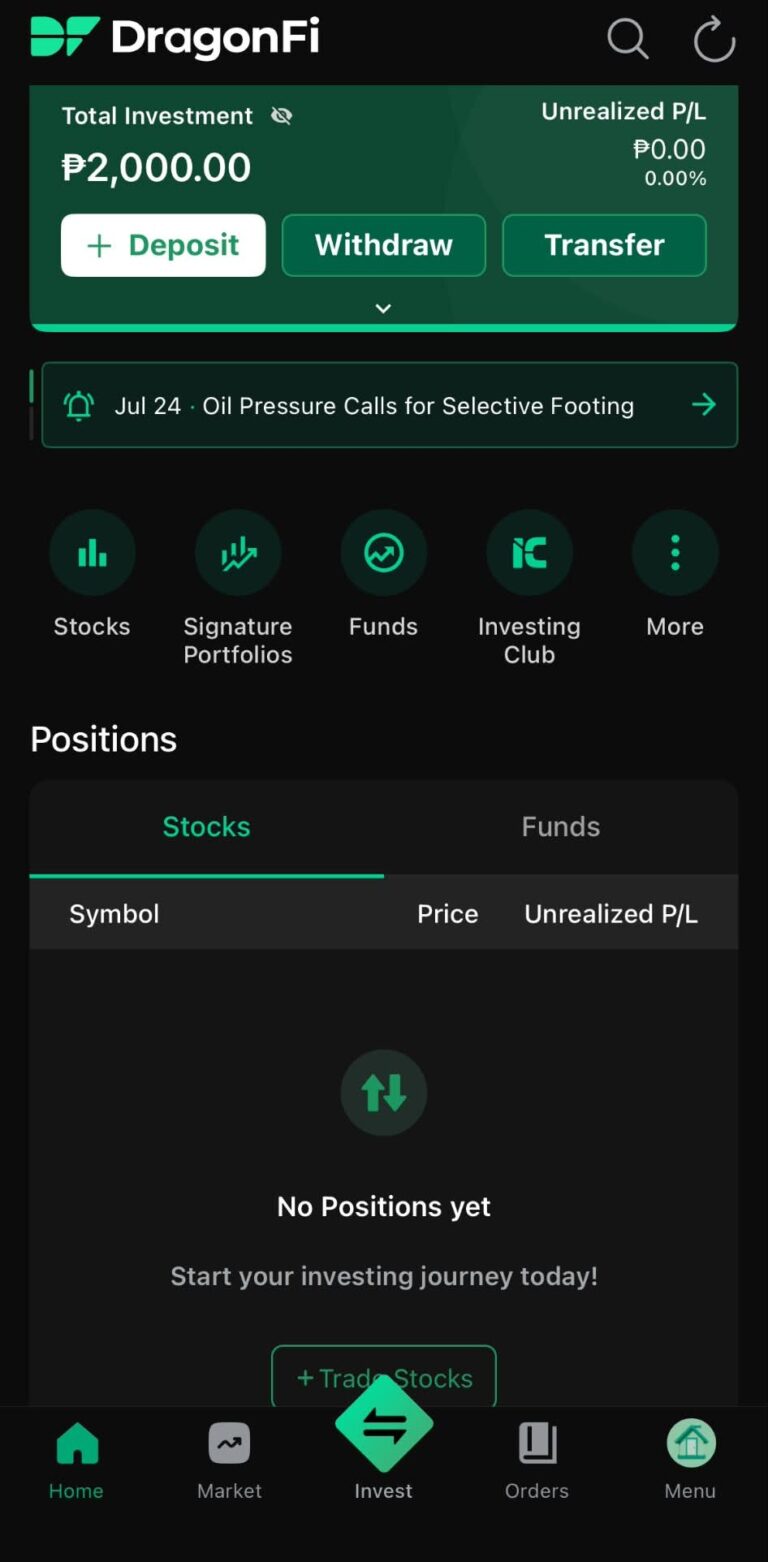

Transfer funds from your bank to your brokerage account. Most brokers accept transfers from major Philippine banks. The minimum useful investment amount depends on the current share price and board lot of your chosen REIT, but ₱1,000 to ₱5,000 is typically enough to buy one board lot of any listed Philippine REIT.
Both are promising. The honest comparison:
REITS
PROPERTY
REITs are one of the most beginner-friendly investment products on the Philippine Stock Exchange. They are regulated under Republic Act 9856, listed and traded transparently, and required by law to distribute most of their income as dividends. The main risks are market price fluctuation and dividend variability tied to property sector performance. They are not risk-free, but they are significantly less risky than individual stocks and more accessible than direct property investment.
No. The minimum investment is one board lot of shares, which costs PHP 1,000 to PHP 5,000 for most Philippine REITs at current prices. You can start small and add to your position gradually over time as your savings allow.
Most Philippine REITs pay dividends quarterly. Some pay semi-annually. The dividend amount varies based on the income earned by the REIT’s properties in that period. You can check the dividend history and payment schedule of any listed REIT on the PSE website or in your broker’s platform.

The Philippines' curated directory connecting homeowners, architects, interior designers, and property professionals who believe in the beauty of thoughtful living.
HOUSE DESIGNS
DIRECTORY
COMPANY